

Media Coverage
[The Korea Economic Daily] Kim Hyun-soo, CEO of Pamisell, Opens a Stem Cell Clinic and Picks Up a “Scalpel”
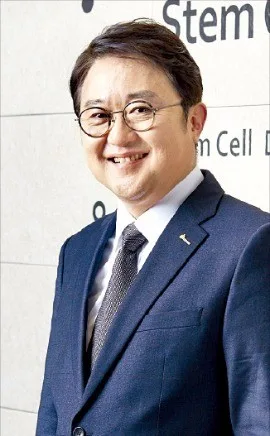
[Domestic Active Pharmaceutical Ingredients Expanding Overseas] Kim Hyun-soo, CEOof Pamicell, Opens a Stem Cell Clinic and Takes the “Scalpel” in Hand;
Although the Treatment Was Approved Five Years Ago, Slow Domestic
Distribution Prompted Him to Take Matters into His Own Hands; Pushing for Medical Tourism Targeting China’s Affluent Class
“We were the first in the world to receive approval for this treatment
, but its distribution in Korea has been slow due to various constraints. I plan to grow the related market through a specialized stem cell clinic. Pioneering the medical tourism market targeting China’s affluent class is also a major goal.”
Kim Hyun-soo (pictured), CEO of Pamisell—South Korea’s first stem cell therapy developer—explained the rationale behind opening the specialized clinic, saying, “Although four of the seven stem cell therapies approved worldwide were approved in South Korea, there are still not many doctors who have actual experience using them properly.” CEO Kim opened the Kim Hyun-soo Clinic, which specializes in stem cell therapy, in Sinsa-dong, Seoul, last March. A former professor of internal medicine at Ajou University, CEO Kim developed “HeartCellGram” in 2011—the world’s first treatment using stem cells for acute myocardial infarction and cirrhosis. After the therapy was approved, Dr. Kim spent about four years focusing on sales to university hospitals and other institutions. He then invested 2 billion won to establish the clinic and returned to performing surgeries. He entrusted the management of the company to Kim Seong-rae, a professional manager and co-CEO. “Hospitals conducting their own stem cell research are reluctant to use stem cell therapies developed by other companies, which creates challenges in widespread adoption,” explained CEO Kim. “That’s why I’m performing surgeries myself to disseminate accurate information about the therapy and the surgical techniques.” As word of mouth spreads, patients with severe or chronic conditions continue to seek treatment there. CEO Kim’s goal is to grow the clinic into an investment-open hospital with 300 to 500 beds within five years.
The Kim Hyun-soo Clinic primarily targets patients with conditions that are difficult to treat with existing medications or surgery, such as those with cerebral infarction and severe liver cirrhosis. Recently, patients with liver cirrhosis have been more proactive about stem cell therapies. Director Kim explained, “Since most stroke patients experience sudden onset of symptoms, they tend to be relatively less hesitant about new treatment methods,” adding, “In contrast, patients with liver cirrhosis have a higher level of understanding of their condition and are more proactive about new treatments such as stem cell therapy.” Stem cell therapy involves extracting the patient’s own stem cells, culturing them for two weeks, treating them with medication, and then re-administering them to the patient to enhance therapeutic efficacy. It is a costly procedure, with a single treatment costing approximately 20 million won. Pamisell also operates a stem cell bank to store stem cells for patients while they are still in good health. CEO Kim explained, “Since stem cells become harder to harvest and lose their activity as a person ages, it is necessary to store them while the patient is still healthy,” adding, “Because they are stored for 15 years after collection, it serves as a kind of ‘bio-insurance’ that can be used should an intractable disease develop in the future.” Recently, there has reportedly been an increase in cases where some affluent individuals are requesting the storage of their young children’s stem cells.
CEO Kim has also recently been focusing his attention on medical tourism targeting China’s affluent class. Learning from the negative aspects of medical tourism in the plastic surgery sector—which is often dominated by middlemen—he is pursuing a strategy to attract patients by entering into direct agreements with specialized medical tourism agencies in China. He said, “Many affluent Chinese patients travel to Switzerland, Germany, and other countries for anti-aging treatments, but with recent tightening of local regulations, South Korea is emerging as an alternative,” adding, “The decision to establish a separate plastic surgery center within the clinic was also made with this type of medical tourism in mind.” According to announcements by the Korean Society of Anti-Aging Medicine and the Korean Society of Geriatric Medicine, stem cell therapies are known to have significant anti-aging effects, such as increasing the synthesis of proteins that delay aging, stimulating red blood cell production, and influencing growth hormone metabolism.


