

Media Coverage
[Daily Pharm] From Raw Materials to Stem Cells to Hospitals… A Single-Minded Focus on Biotechnology

[Interview Series ⑤] Kim Hyun-soo, CEO of Pamisell
At the heart of a biotech venture’s sustained growth lies a “cash cow.” After all, you need funds to conduct clinical trials and commercialize products.
Pamisell, well known as the developer of Korea’s first stem cell therapy, “HatiCellGram” (indication: myocardial infarction), is a company with a very solid foundation in this regard.
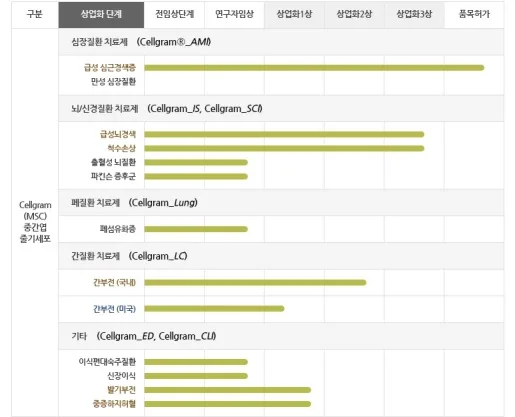
Not content to stop there, Pamisell is currently developing a new stem cell drug targeting liver cirrhosis. This drug has completed Phase 2 trials in Korea and is now setting its sights on entering the U.S. market.
Underpinning these achievements is the Chemical Business Division. This division was established in March 2013 through a merger after Pamicell acquired IDB Chem, a company specializing in active pharmaceutical ingredients (APIs), as a subsidiary in 2012. It produces active pharmaceutical ingredients and flame retardants and supplies them to pharmaceutical companies.
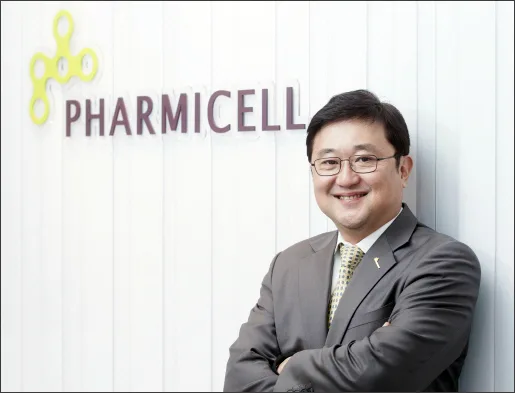
In addition, Kim Hyun-soo, CEO of Pamicell, made headlines by establishing a medical clinic specializing in stem cell therapy—the first of its kind among biopharmaceutical companies—just before the Malma incident.
Drawing on the expertise he gained during his time as a hematology-oncology physician, CEO Kim plans to develop this stem cell-specialized medical facility into a 300-bed hospital in the future, aiming not only to attract international patients but also to expand its operations as an investment-open hospital (for-profit hospital).
Daily Pharm met with CEO Kim to hear about Pamisell’s current status and future prospects.
- Could you please give us a brief introduction to PamiCell?
Pamisell Co., Ltd. is a biotech company established in 2002. Its business areas are broadly divided into the Bio-Pharmaceutical Division and the Bio-Chemical Division.
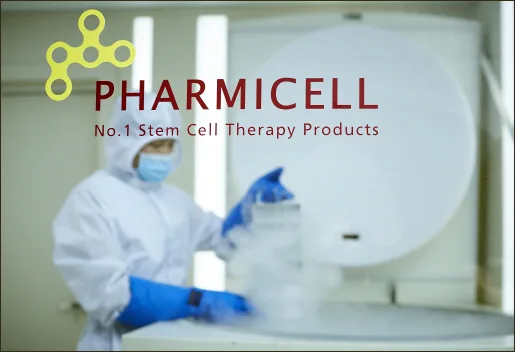
The Bio-Pharmaceutical Division focuses on the development of stem cell therapies as its core business. Leveraging the extensive know-how accumulated during the therapeutic development process, the division operates an adult stem cell storage service and has developed and is currently marketing cosmetics containing stem cell culture medium extracts, utilizing its stem cell culture technology.
The Bio-Chemical Division produces active pharmaceutical ingredients (APIs) such as mPEG, nucleosides, and HDP-tosylate, as well as flame retardants.
- I understand that the company holds a significant market share in the active pharmaceutical ingredients (API) sector.
In the case of nucleosides, the company holds at least 90% of the market. As this is a specialty chemicals sector, it is a market where big pharma companies face limitations in handling production.
The company currently supplies nucleosides to leading pharmaceutical companies such as Pfizer and Merck, and this year, it is scheduled to supply mPEGs to Nektar in the U.S. and the Belgian multinational pharmaceutical company UCB.
The company’s influence in the mPEG market is also growing steadily. Recently, PamiCell has also been supplying the active ingredient for “Adinovate,” a recombinant Factor VIII product developed by Baxter as a successor to the hemophilia treatment “Advate.” Once a supplier is selected for the active ingredient of a biopharmaceutical, the company must continue to use the same supplier even after clinical trials and commercialization.
As the scale of the API business grows, the company has already invested 9 billion won this year to construct a new API production plant and relocate and expand its existing facility in Ulsan Metropolitan City.
The company determined that the time had come to apply its accumulated clinical experience. This is just the beginning. Moving forward, the company plans to develop a business model for specialized hospitals that accept foreign investment—specifically, “investment-open hospitals.”
However, operating for-profit hospitals in Korea is currently nearly impossible. Since more than 50% of the equity must come from foreign investors, there are many challenges. Accordingly, we determined that it is important to establish a hospital ourselves, obtain the necessary permits, and demonstrate our ability to operate it.
-How is the Stem Cell Clinic structured?
The Kim Hyun-soo Stem Cell Clinic is broadly organized into three centers—the Stem Cell Center, the Internal Medicine Center, and the Plastic Surgery Center—each managed by two internal medicine specialists and one plastic surgeon.
The Internal Medicine Center provides basic internal medicine care and, drawing on the country’s most extensive experience in stem cell therapy, offers specialized treatment protocols for life-threatening intractable diseases, anti-aging, skin conditions, and sexual function.
Major treatment areas include central nervous system disorders such as stroke, Alzheimer’s, Parkinson’s disease, amyotrophic lateral sclerosis (ALS), and spinal cord injuries, as well as cardiovascular diseases such as acute myocardial infarction and ischemic cardiomyopathy, and gastrointestinal disorders including cirrhosis, pancreatitis, and ulcerative colitis.
The Plastic Surgery Center incorporates expertise in regeneration and functional improvement using stem cell culture medium to provide a higher level of treatment. It offers a range of procedures, from general cosmetic surgeries—such as breast augmentation, eye and nose procedures, buttock augmentation, body contouring, and wrinkle reduction—to scar treatment, skin regeneration, and hair loss treatment.
-As you’ve expanded your business—from a biotech venture specializing in stem cells to the recent establishment of a medical institution—have you encountered any shortcomings in government policy?
Rather than on a specific level, looking at the big picture, the current government’s policies lack consistency. On various fronts, the government has promised all-out support for the biohealth industry. While this is encouraging, the actual budget tends to be too scattered.
The same applies to the institutional level. To lower barriers to entry where necessary and clearly define areas requiring strict scrutiny, a coherent framework must be established; however, in the day-to-day operation of the company, we often encounter policies that lack consistency. For biopharmaceuticals, it was necessary from the outset to examine the specific characteristics of each drug in detail and establish guidelines regarding clinical standards and approval procedures.


